Regulatory Consultation Targets Offshore Sponsorships in British Football
 The UK government prepares to open a public consultation this week on measures that would prevent unlicensed gambling operators from sponsoring British sports teams, with particular focus on Premier League football clubs. This step addresses a longstanding regulatory gap that has allowed offshore companies to maintain visibility through kit deals and other partnerships even after losing their domestic licences. Observers note the timing follows sustained criticism regarding postponed action that dates back to February, while recent developments have intensified pressure for clearer rules. Stake.com, an offshore crypto casino that surrendered its UK licence in the previous year, entered a three-year sleeve sponsorship agreement with Everton FC despite prior warnings issued by regulatory authorities. The arrangement highlights how such firms continue to reach UK audiences through high-profile sports affiliations, potentially directing fans toward unregulated platforms. The proposed consultation seeks to examine options for closing this avenue and aligning sponsorship standards more tightly with existing licensing requirements.
Background on the Sponsorship Loophole
Current rules permit companies without active UK gambling licences to secure commercial deals with sports organisations, creating pathways for marketing exposure that bypasses domestic oversight. Researchers at international bodies have documented similar patterns in other jurisdictions where offshore entities leverage sports visibility to attract customers from regulated markets. Data from the Canadian Centre for Gambling Research shows that cross-border promotions often correlate with increased traffic to unlicensed sites among local populations.
Everton FC's agreement stands as one concrete illustration of how these arrangements persist. The three-year contract positions the operator prominently on team apparel, ensuring repeated exposure during matches broadcast across the UK and beyond. Officials have indicated the consultation will gather input on whether such deals should require active licensing status or face outright prohibition when operators operate primarily from offshore bases.
Timeline and Recent Developments
Plans for the consultation emerged amid growing calls for action that began surfacing in February. Delays drew attention from multiple stakeholders who argued that prolonged uncertainty left fans exposed to marketing from entities outside the regulated framework. The announcement positions the consultation as an immediate priority, with the process expected to run through the coming months in July 2026 and beyond.
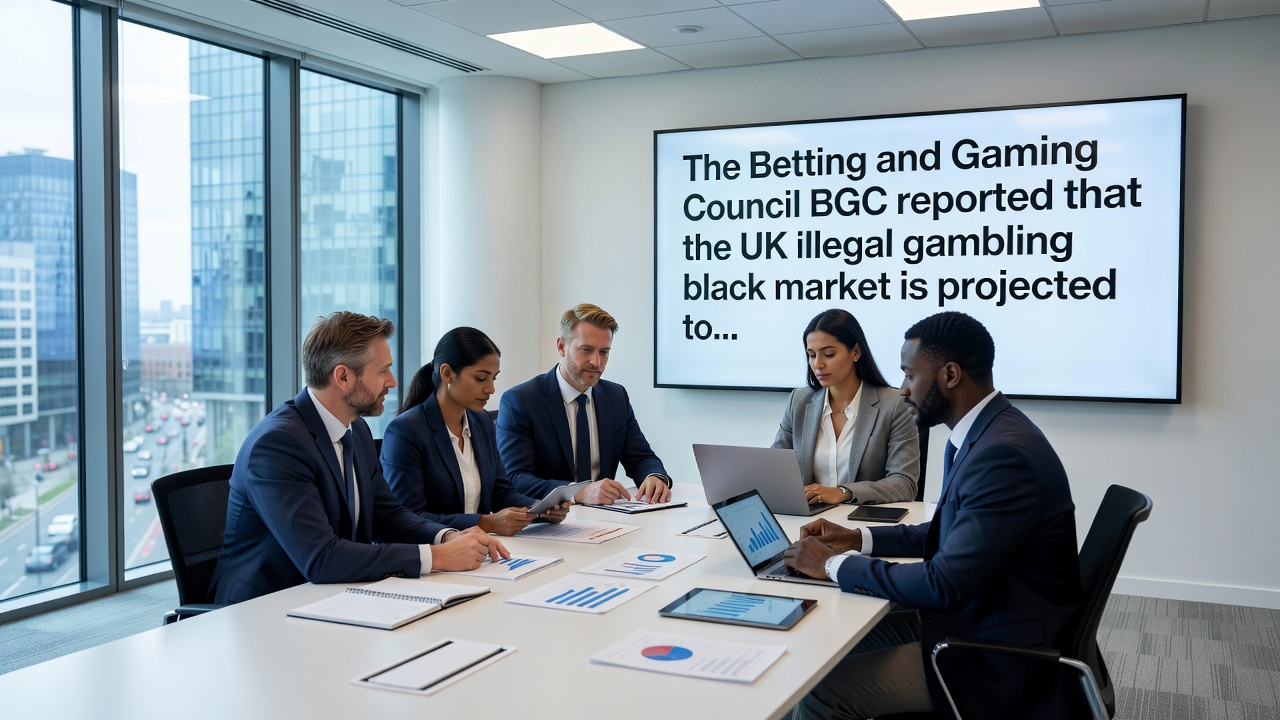
Industry figures and sports administrators have been invited to contribute evidence during the consultation period. Those submissions will inform whether legislative changes are needed to enforce sponsorship restrictions uniformly across professional leagues. Evidence presented so far points to the potential for clearer boundaries that distinguish between licensed domestic operators and offshore entities that have relinquished or never held UK permissions.
Implications for Clubs and Operators
Premier League teams currently maintain various commercial partnerships that include gambling-related sponsors. Any new restrictions would require clubs to reassess existing agreements and future negotiations once the consultation concludes. The process allows time for organisations to review compliance pathways while the government collects data on how these deals affect fan engagement and market access.
Offshore operators face the prospect of reduced visibility in one of Europe's largest sports markets should the proposals advance. Figures from the Australian Gambling Research Centre indicate that visibility through sports sponsorships represents a primary driver of brand recognition for international gambling platforms seeking entry into new territories. The UK consultation may establish precedents that influence similar discussions in other regions where football and other sports hold significant commercial value.
Next Steps in the Process
The consultation document will outline specific questions around enforcement mechanisms, transition periods for current contracts, and definitions of what constitutes an unlicensed operator for sponsorship purposes. Responses will be analysed to determine whether secondary legislation or primary changes to the Gambling Act become necessary. Government statements emphasise that the goal centres on protecting consumers by limiting exposure to platforms that fall outside the scope of UK regulatory standards.
Stakeholders across sports and gambling sectors have already begun preparing position papers ahead of the formal launch. The timeline allows several weeks for written submissions followed by potential roundtable discussions to explore practical implementation details. Outcomes from this process will shape how sponsorship rules evolve for the remainder of the 2026 season and subsequent years.
Conclusion
The upcoming consultation represents a targeted effort to address one specific aspect of gambling regulation in British sports. By focusing on sponsorship eligibility, the government aims to align commercial practices with the licensing framework already in place. Participants in the process will provide the evidence base needed to finalise any resulting policy adjustments, ensuring the measures reflect input from clubs, operators, and regulatory perspectives alike.